John Lennon Wall Prague: How It Changed from 2008 to 2026 (Photos & History)
I have photographed Prague’s John Lennon Wall from 2008 to 2026. Here is how one of the city’s most famous symbols of peace and freedom has changed — and what it looks like today.
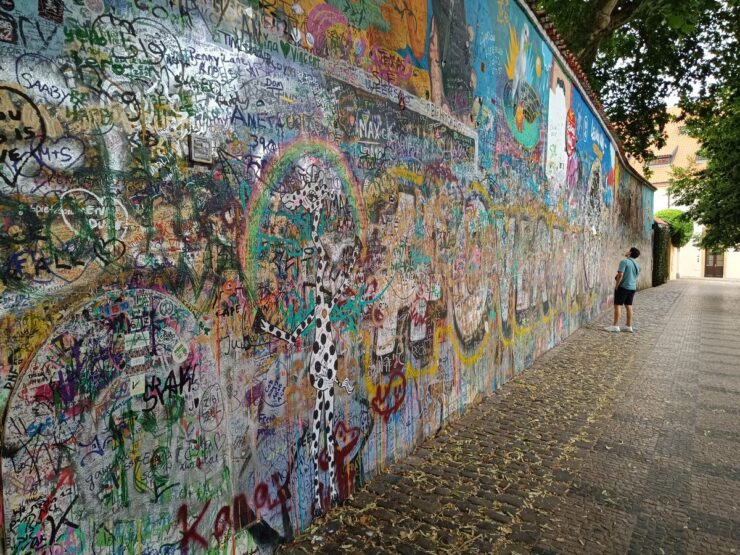
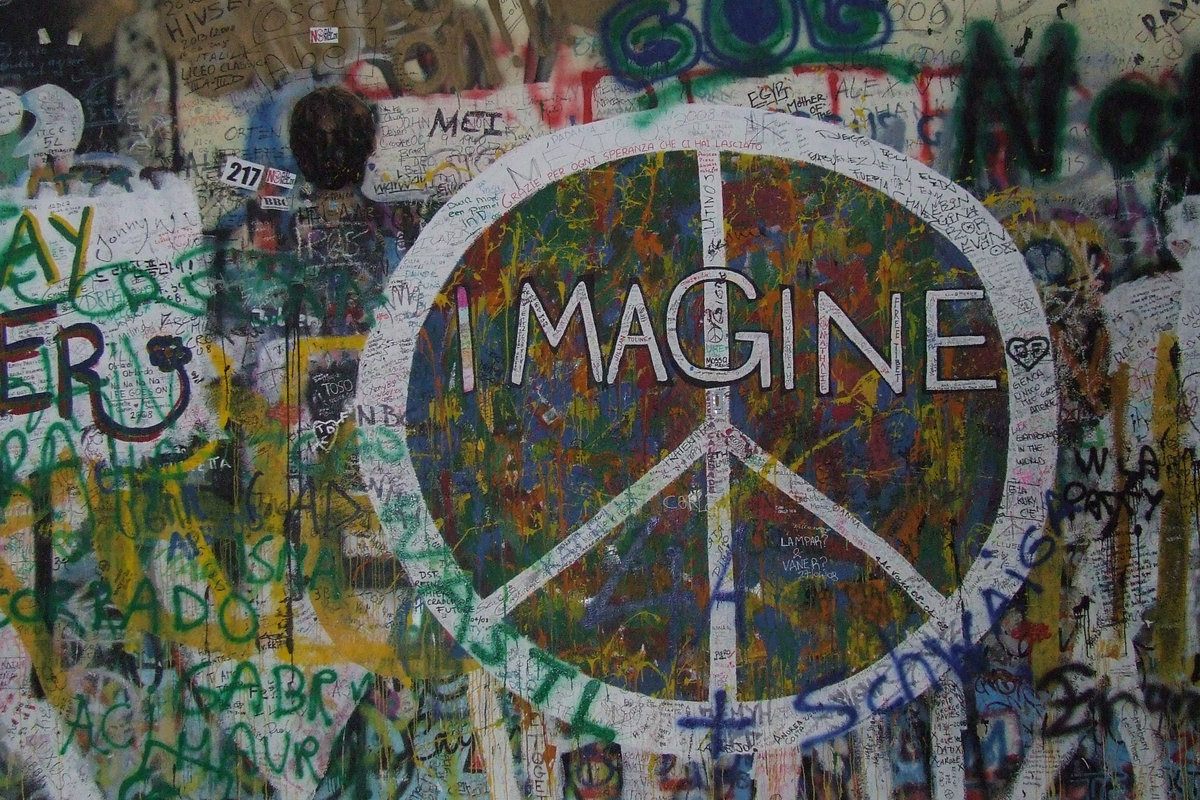
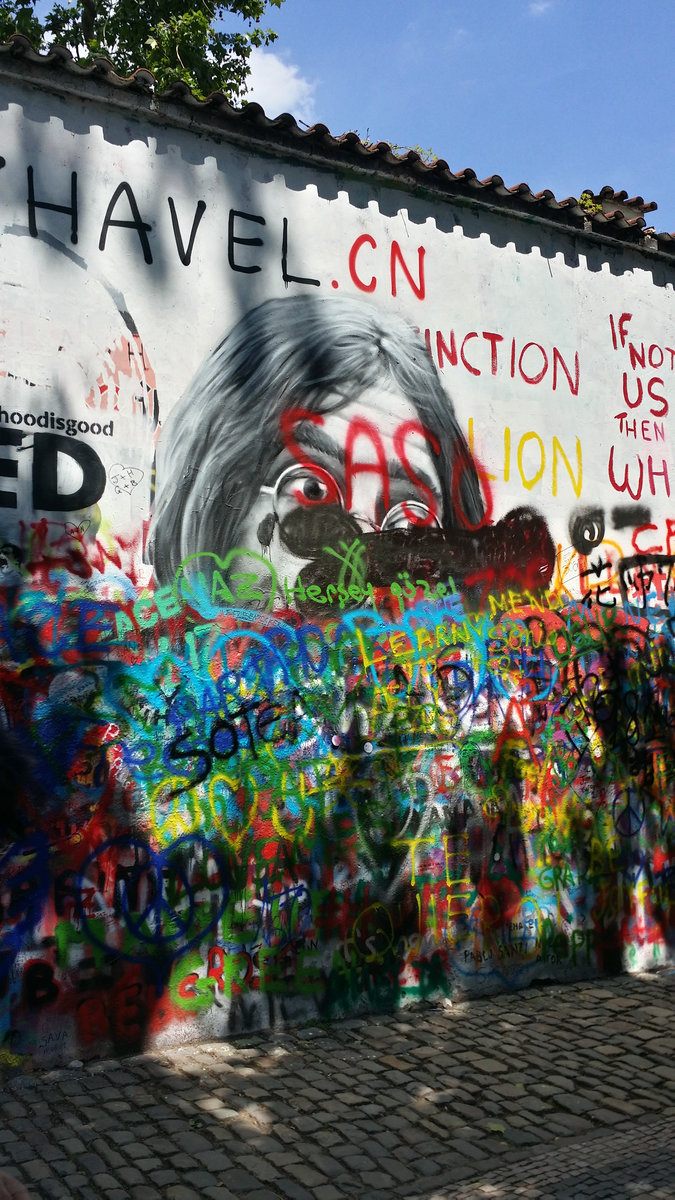
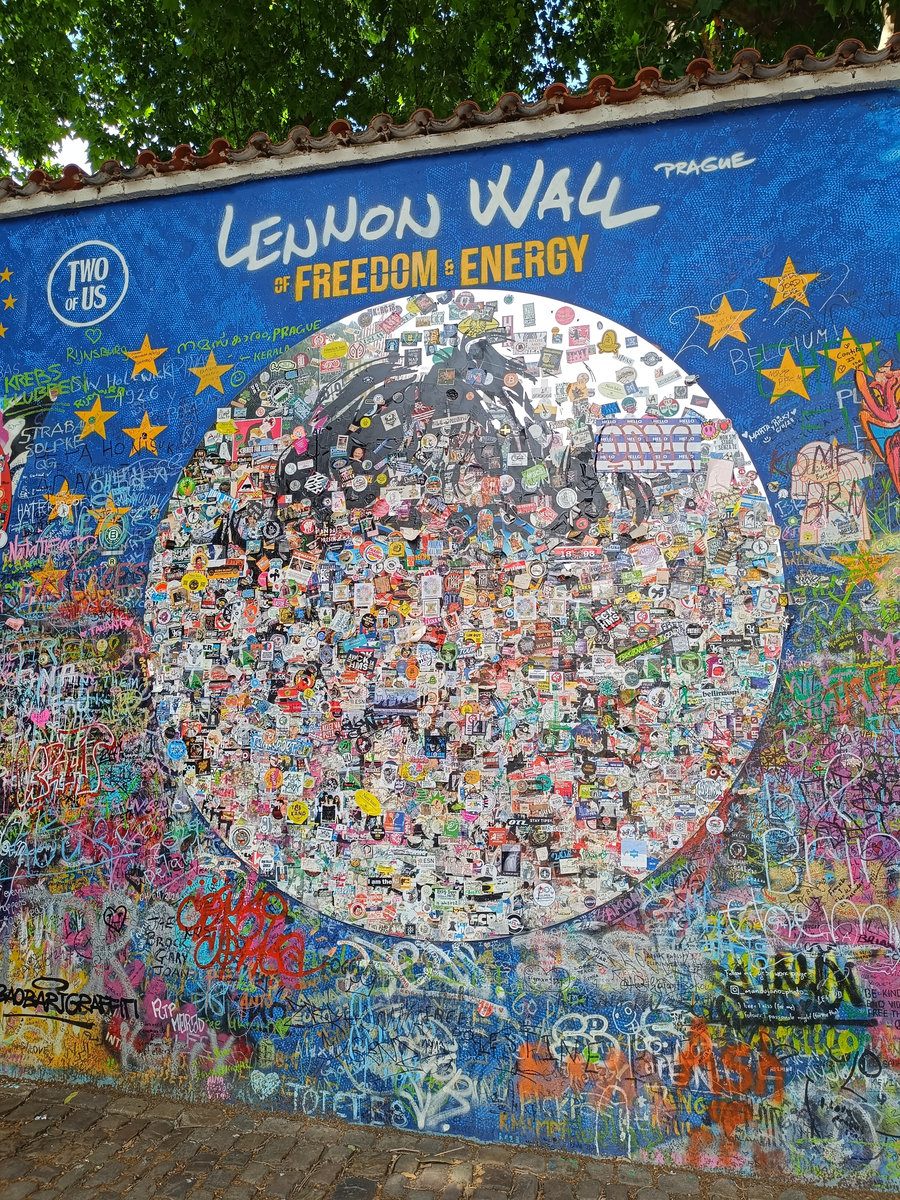
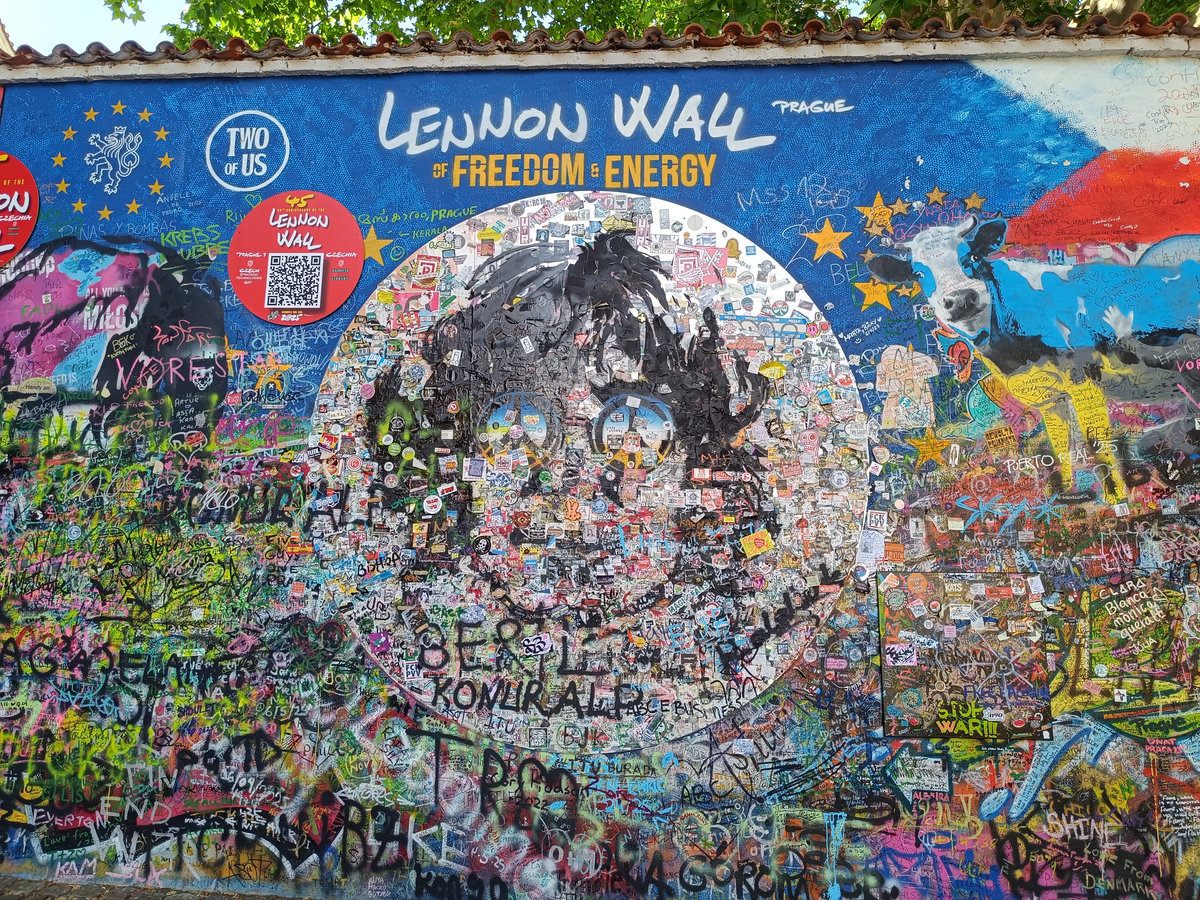
We first photographed the Lennon Wall in 2008 — before the major redesigns. These images show how Prague’s most famous graffiti wall evolved through communism’s long shadow, post-revolution freedom and today’s more curated approach.
What Is the John Lennon Wall?
The John Lennon Wall is a stretch of wall on Velkopřevorské náměstí (Grand Priory Square) in Malá Strana, covered since the 1980s with graffiti, murals and messages inspired by John Lennon and the ideals of peace, freedom and love. It is owned by the Knights of Malta, whose palace forms the wall’s foundation.
John Lennon never visited Prague. He never visited Czechoslovakia. The wall has nothing to do with him personally — it has everything to do with what he represented to people who were not free. When he was shot in 1980, young Czechs who could not openly mourn or protest turned a blank wall in a quiet courtyard into an unofficial memorial and a space for forbidden expression.
How the Wall Has Changed — Then vs Now
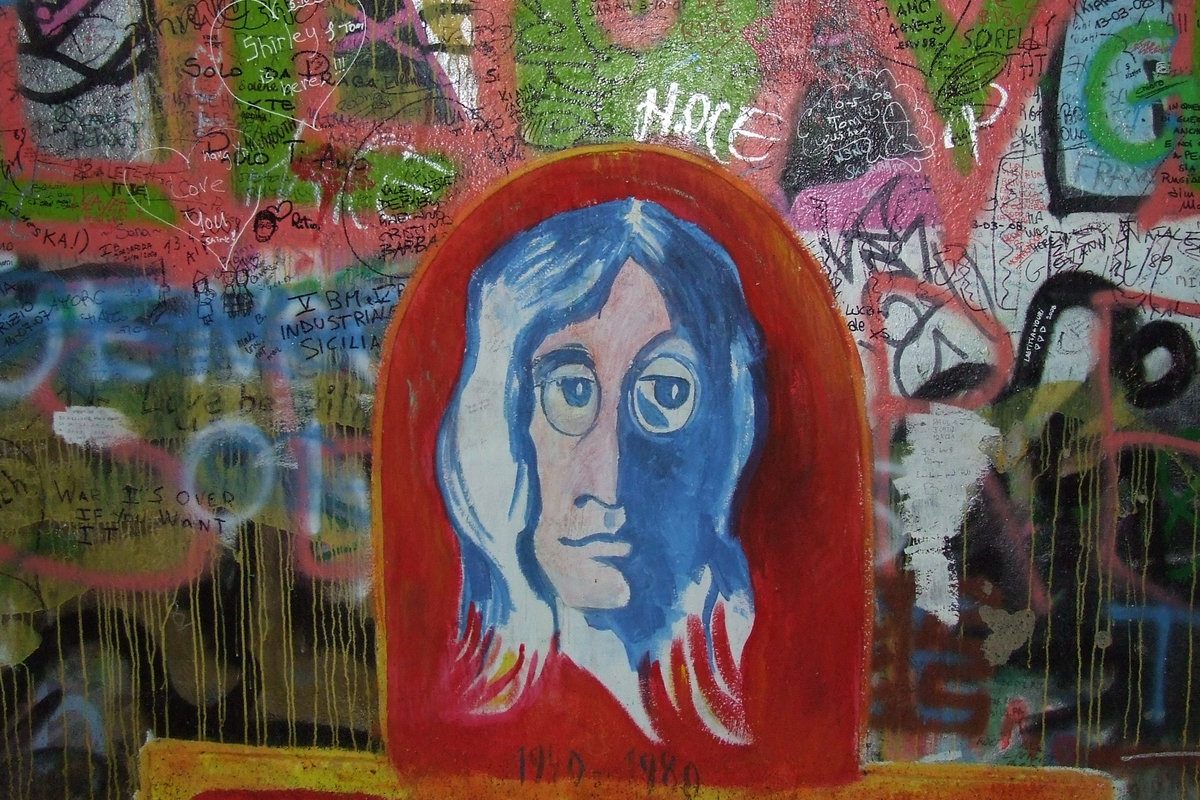
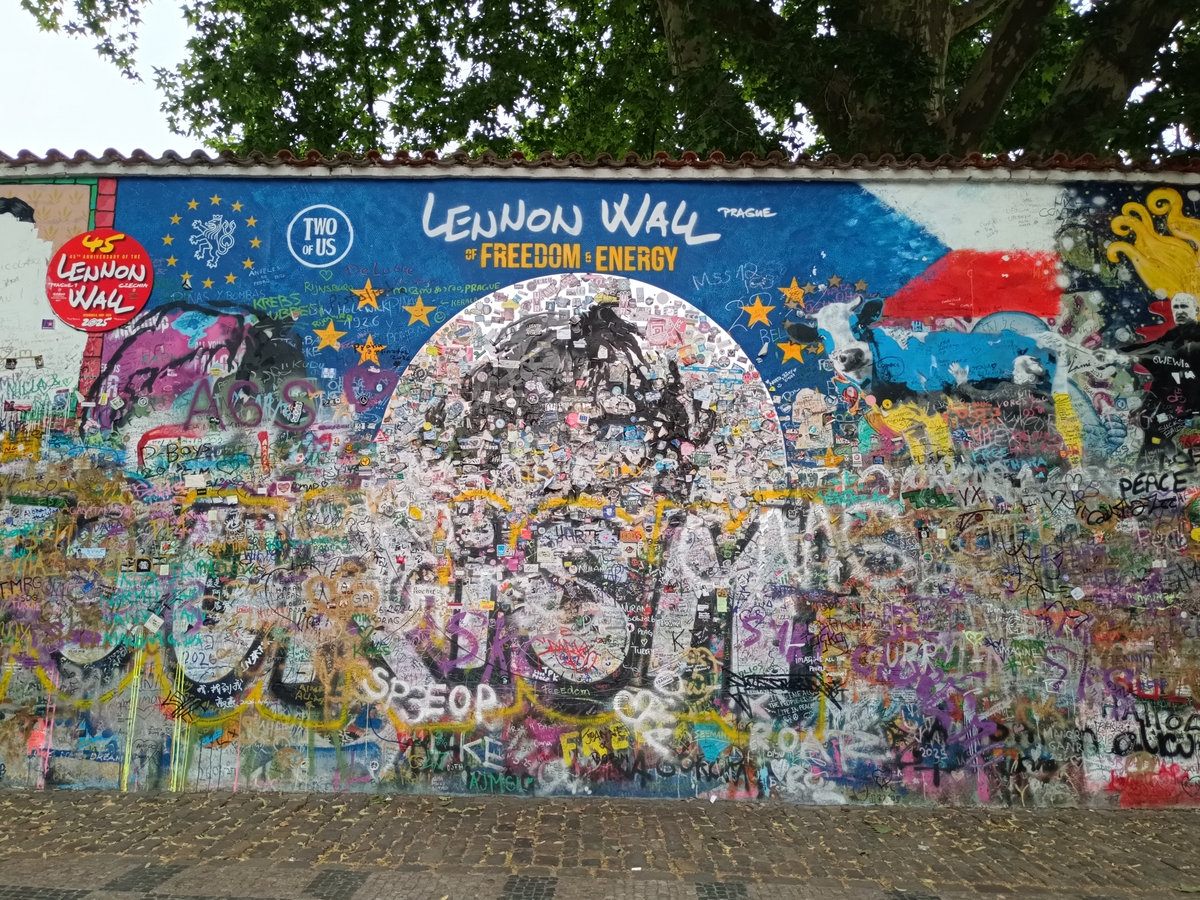
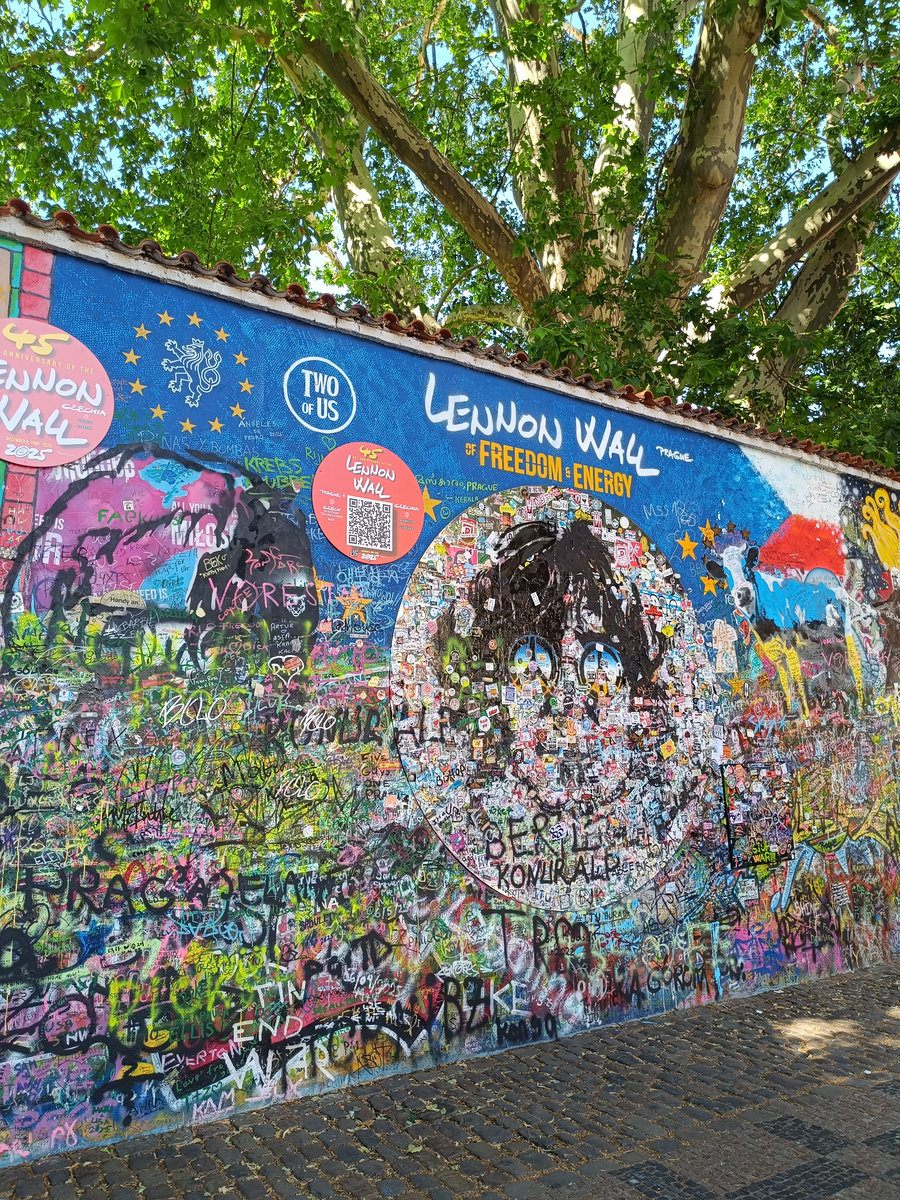
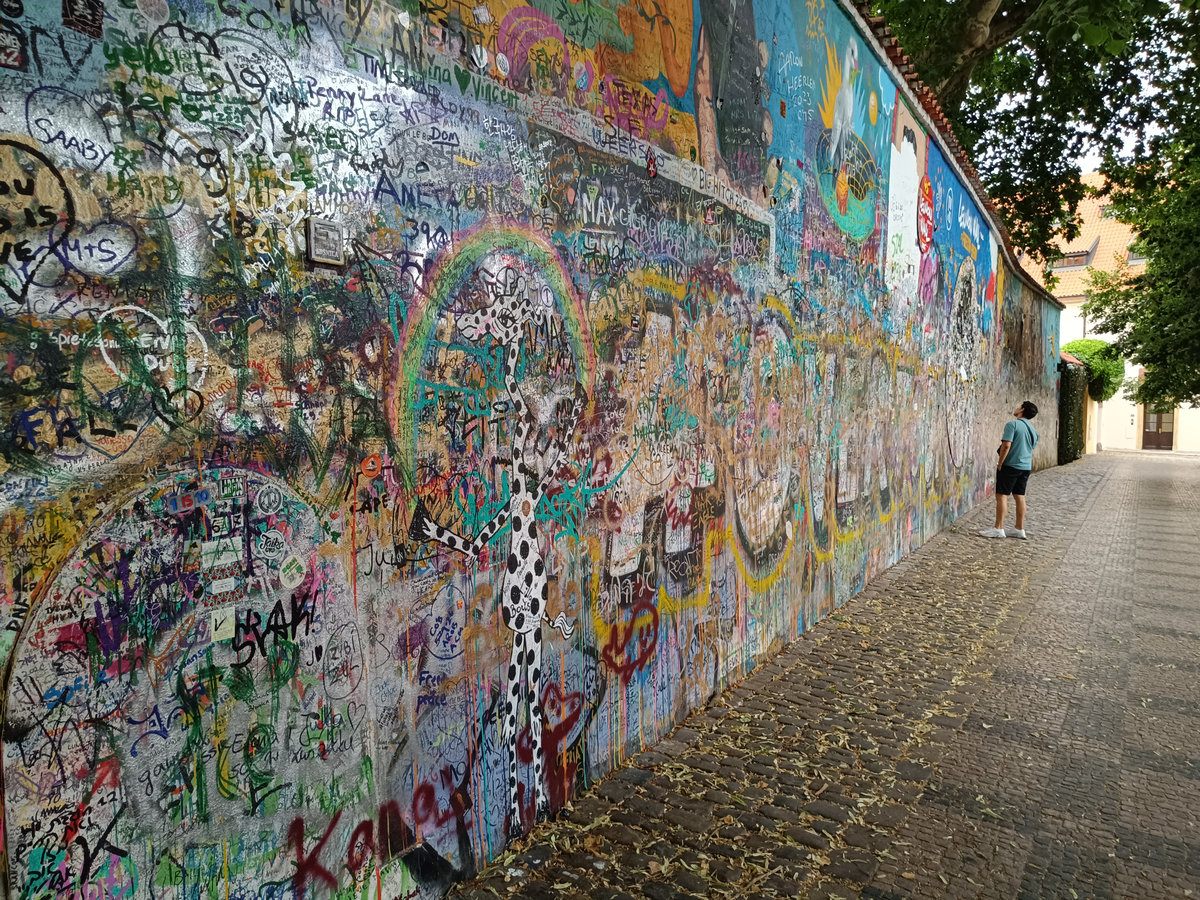
These photographs show the wall across 18 years. The difference is significant — this is not the same wall you will find in most tourist guides, which show only the current state. Each layer of paint carries a different period of Prague’s history, and the changes since 2019 are particularly striking.
The portrait comparison is shown above. Here is the full evolution from 2008 to 2026:
The History of the John Lennon Wall
The Beginning — After Lennon’s Death
John Lennon was shot on 8 December 1980. Within weeks, a portrait of Lennon appeared on the wall in Malá Strana, along with lyrics from Imagine and messages about peace. Czechoslovakia was still under communist rule and public mourning for a Western cultural figure was politically dangerous. The StB (secret police) repeatedly whitewashed the wall. It was repainted just as repeatedly.
The “Lennon Peace Club” Protests
Young people who gathered at the wall formed informal groups the regime labeled “Lennonists.” In 1988, a larger gathering at the wall was dispersed by police. The wall had become, by then, a recognisable symbol of passive resistance — not overtly political, but impossible to control.
The Velvet Revolution
After November 1989 and the Velvet Revolution, the wall’s purpose shifted. The wall no longer needed to carry forbidden messages — but it continued to carry messages anyway. The tradition had taken hold independently of the political context that created it.
The White Paint Incident
In November 2014 — on the 25th anniversary of the Velvet Revolution — art students painted the wall entirely white, arguing that the wall had become a tourist cliché rather than a genuine place of expression. The debate was significant: was the wall still meaningful, or had it become a backdrop for selfies? Within days the graffiti had returned.
The 2019 Redesign
A significant redesign gave the wall a more organised appearance, with a larger central Lennon portrait and more structured sections. The Knights of Malta, who own the property, became more actively involved in managing what appears on the wall.
The Wall Today
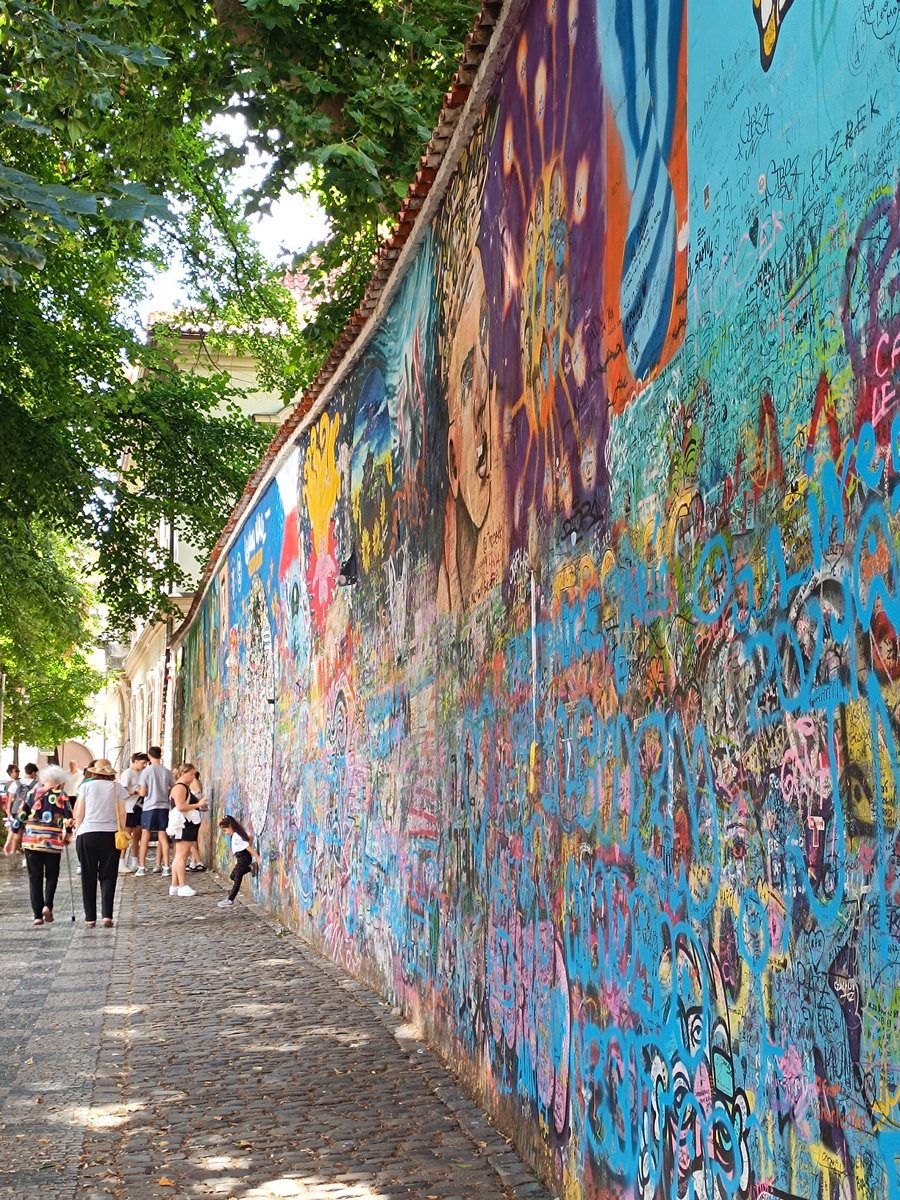
The wall remains one of the most photographed spots in Prague. The surface changes constantly — layers of paint, new additions, fading older work. What was political art has become, in part, tourist art. But the wall still attracts people who come to leave something rather than just take a photograph, and that distinction still matters.
Can You Paint on the John Lennon Wall?
This is the most common question we get about the wall, and the answer has changed over the years.
Before 2019: The wall was largely open to anyone who wanted to add to it. People arrived with spray cans, markers and stencils and added whatever they wanted. The surface was genuinely spontaneous.
After 2019: The Knights of Malta became more involved in managing the wall’s appearance. Unsanctioned spray painting is now discouraged and in some periods actively prevented. The wall is still alive and changing, but it is more curated than it was.
John Lennon Wall Prague — Location & How to Get There
The wall is easier to find than most maps suggest, but many visitors walk straight past the turn-off from Charles Bridge.
Malá Strana, Prague 1
Best Time to Visit the Lennon Wall
The wall is on a public street and accessible at any time. But when you visit makes a significant difference to the experience.
| Time | Crowds | Verdict |
|---|---|---|
| Before 8am | 🟢🟢🟢🟢🟢 | Best — empty, quiet, beautiful light |
| 8am–10am | 🟡🟡🟡 | Good — manageable before tour groups |
| 10am–6pm | 🔴🔴🔴🔴🔴 | Peak — crowded, hard to photograph |
| After 7pm | 🟢🟢🟢🟢 | Good — evening light, fewer people |
Nearby Attractions — What to Combine
The Lennon Wall is in one of the most walkable parts of Prague. Everything below is within 15 minutes on foot.
| Attraction | Walk | Notes |
|---|---|---|
| Charles Bridge | 2 min | Cross the bridge first, then walk down to the wall |
| Kampa Island | 3 min | River island, yellow penguins, Museum Kampa |
| Devil’s Channel (Čertovka) | 2 min | Venice of Prague — narrow waterway, historic mills |
| Museum Kampa | 5 min | Modern art, Malá Strana, strong permanent collection |
| Prague Castle | 25 min | Uphill walk through Malá Strana |
Best Hotels Near the Lennon Wall — Malá Strana
Malá Strana is the most atmospheric area of Prague to stay in. The Lennon Wall, Charles Bridge and Kampa Island are all within walking distance of these hotels.
Is the John Lennon Wall Worth Visiting?
Yes — with realistic expectations.
The wall is not a museum. There is no audio guide, no entrance ticket, nothing to “do” there in the conventional tourist sense. Its value depends entirely on what you bring to it.
If you know the history — what the wall meant during communism, why people risked adding to it, what it cost to express something that the regime wanted suppressed — it is a genuinely moving place. If you arrive with a tour group at 2pm in July expecting to have a quiet moment, you will have a crowded ten minutes and a set of photographs of other people’s backs.
- You’re interested in Prague’s history
- You visit before 9am or after 7pm
- You combine it with Charles Bridge and Kampa
- You want something free and genuinely interesting
- You arrive between 10am and 6pm in summer
- You expect to paint on it freely
- You’re making a special trip just for the wall
- You want quiet — book a morning visit
Frequently Asked Questions — John Lennon Wall Prague
Yes — the wall is on a public street and free to visit at any time. There is no entrance fee, no tickets and no opening hours.
No. John Lennon never visited Prague or Czechoslovakia. The wall is named after him because his music — particularly Imagine — became a symbol of the values that young Czechs used the wall to express during the communist period.
The rules have changed significantly since 2019 when the Knights of Malta became more actively involved in managing the wall. Unsanctioned spray painting is now discouraged. Chalk, markers and stickers are more likely to be tolerated. Do not assume free painting is permitted — observe what is happening when you arrive.
Early morning — before 8am — is the best time. The wall is empty, the light is good for photography and you can spend time there without navigating crowds. Evening after 7pm is the second best option.
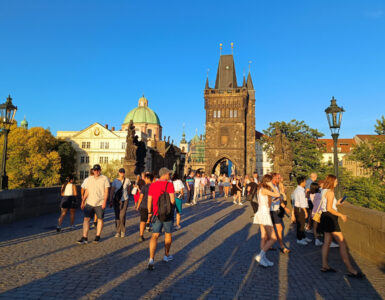
The wall is on Velkopřevorské náměstí in Malá Strana. The easiest route is to cross Charles Bridge from Old Town, turn left after the bridge tower and walk along the river for 2 minutes. Metro Malostranská is a 10-minute walk. Trams 12, 20 and 22 stop at Hellichova, a 5-minute walk away.
Yes — it takes 15–30 minutes, it is free, and it is 2 minutes from Charles Bridge. The wall is more interesting if you know its history as a space for forbidden expression during communism. Visit early morning or evening for the best experience.
This article contains affiliate links. If you book through them, HelloPrague earns a small commission at no extra cost to you. All recommendations are based on personal experience and honest assessment. Affiliate disclosure →

 Petr
Petr
 Dan
Dan